What’s the Job of a Certified Handwriting Expert in Los Angeles?
In Los Angeles, the phrase certified handwriting expert gets used a lot — and not always accurately. I see confusion around this weekly, especially when documents are headed toward the courthouse downtown.
So let’s slow this down and get specific, because in practice, a certified handwriting expert usually falls into one of two very different roles.
Two Professions That Get Labeled “Handwriting Expert”
The title sounds singular. The work is not.
When attorneys, families, or businesses in Los Angeles ask for a handwriting expert, they’re typically referring to one of the following:
- A forensic document examiner
- A handwriting analyst focused on personality or behavior
They serve different purposes, work in different environments, and carry very different legal weight.
The Forensic Document Examiner: Where Legal Truth Gets Tested
A certified forensic document examiner answers questions courts actually care about.
Did this person really sign the document? Was a signature forged? Was a page substituted after execution? Does the ink match the rest of the will or contract?
In Los Angeles probate and civil courts — including cases moving through the Stanley Mosk Courthouse on Hill Street — these questions matter. A lot.
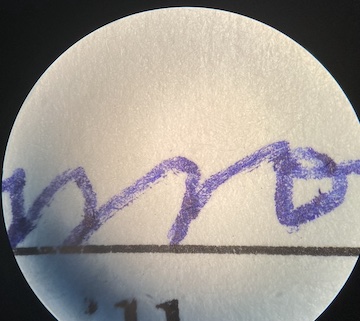
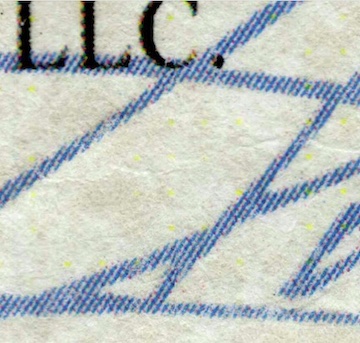
Forensic document examiners analyze handwriting characteristics, ink chemistry, paper, impressions, writing order, and document aging. The job isn’t opinion. It’s examination.
And here’s the part many people overlook: even perfect technical work can be excluded if the expert cannot explain it clearly. Judges and juries must understand what’s being presented.
Why Communication Matters in Los Angeles Courts
Los Angeles courts move fast. Judges see expert witnesses constantly.
An examiner who can’t explain findings in plain language won’t last long on the stand — no matter how good the lab work is.
This is why experience testifying matters just as much as technical training. Credibility isn’t just earned once. It’s demonstrated repeatedly.
The Handwriting Analyst: Personality and Behavioral Insight
The second role uses handwriting very differently.
Handwriting analysts explore personality traits, behavioral tendencies, and emotional patterns. You’ll often see them working as counselors, therapists, coaches, or HR consultants.
The handwriting isn’t a verdict. It’s a conversation starter.
“This suggests sensitivity to criticism.” “There may be authority issues worth exploring.” “This points to challenges with confidence.”
In Los Angeles business settings, handwriting may even be reviewed quietly to assess role fit. This isn’t about labeling people as good or bad. It’s about alignment.
Where the Paths Clearly Separate
Forensic document examiners work with attorneys, clients, and courts. Their opinions influence legal outcomes.
Handwriting analysts do not testify in court. They provide insight, consultation, and guidance.
Both roles are legitimate. Only one routinely determines authenticity and legal truth.
A Quick Word on Career Reality
Forensic handwriting expertise takes years to build.
Once an examiner is court-qualified — especially in a demanding legal environment like Los Angeles — credibility becomes an asset that’s difficult to challenge.
Handwriting analysts typically work on a consultative basis. Forensic examiners often earn more due to the stakes involved and the scrutiny required.
So What’s the Job of a Certified Handwriting Expert?
One path focuses on behavioral understanding. The other determines authenticity.
Both are useful. Only one regularly influences court decisions.
Frequently Asked Questions (Los Angeles Edition)
Can a handwriting expert testify in Los Angeles courts?
Only forensic document examiners who meet court qualification standards testify. Handwriting analysts focused on personality typically do not.
Do Los Angeles probate cases commonly use handwriting experts?
Yes. Will contests, trust disputes, and altered document claims frequently involve forensic handwriting examination.
Is “certified handwriting expert” a legally protected title?
No. The title alone doesn’t tell you the expert’s role. Training, experience, and court qualification matter far more.
Does handwriting analysis predict behavior reliably?
It offers insight, not certainty. It’s best used as a conversational and exploratory tool, not a legal conclusion.
Final Thought for Los Angeles Clients and Attorneys
If a document’s authenticity may end up before a judge downtown, be precise about who you hire.
Words matter. Credentials matter more.
If you’re dealing with a disputed signature, will, or contract in Los Angeles, start with the right kind of expert.
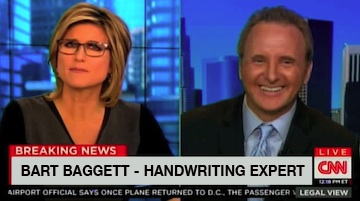
Bart Baggett
The Nation’s Leading Forensic Handwriting Expert
CEO, Handwriting Experts Inc.
Forensic Document Examiner • Expert Witness • Legal Consultant
“We solve million dollar forgery cases.”
https://handwritingexpertusa.com
Telephone: 1-800-980-9030
Call Now For a Price Quote On Your Case:
323-544-9277